I have spent the better part of two decades watching image-making tools change. From the early days of digital photography to the current wave of generative art, each shift brought something new. But the arrival of physics-aware AI image generators feels different. It is not just another filter or upscaler. It is a genuine rethinking of how machines understand what they are creating.
When I first started working with stable diffusion models, the results were impressive but unreliable. A prompt for a glass of water on a wooden table might give you a beautiful image where the glass floated an inch above the surface. The neural network had learned to match visual patterns but had no internal sense of gravity or material behavior. That is where the new generation of tools, including platforms like nanobanana-pro.studio, are making real progress. They combine the raw power of text-to-image generation with a layer of physics simulation that checks whether the scene makes sense in the real world.
The Problem with Pure Pattern Matching
Most AI image generators work by analyzing millions of images and learning statistical relationships between pixels and text descriptions. A machine learning model trained on enough photos will eventually understand that a chair usually touches the floor. But it does not understand why. It has never experienced weight or balance. This leads to subtle errors that humans notice immediately. Shadows that fall the wrong way. Reflections that do not align with the light source. Objects that seem to hover.
Professional imaging demands more than visual plausibility. A photographer or designer working on a commercial project needs consistency. If you generate an image of a product on a reflective surface, every reflection must obey the same laws of optics. If you create a scene with multiple light sources, the highlights and shadows must agree. This is where physics-aware systems add value. They run a quick simulation of the scene before rendering the final output, checking for physical consistency. The result is not just a pretty picture. It is a correct picture.
How Physics Simulation Changes the Workflow
I remember testing an early version of a stable diffusion based tool for a furniture catalog project. We needed images of chairs in various room settings. The AI could generate the chairs beautifully, but the shadows were often wrong. A chair that should have cast a long shadow on the floor would instead cast a short shadow on the wall. We spent hours fixing these errors in post-production. It defeated the purpose of using automation in the first place.
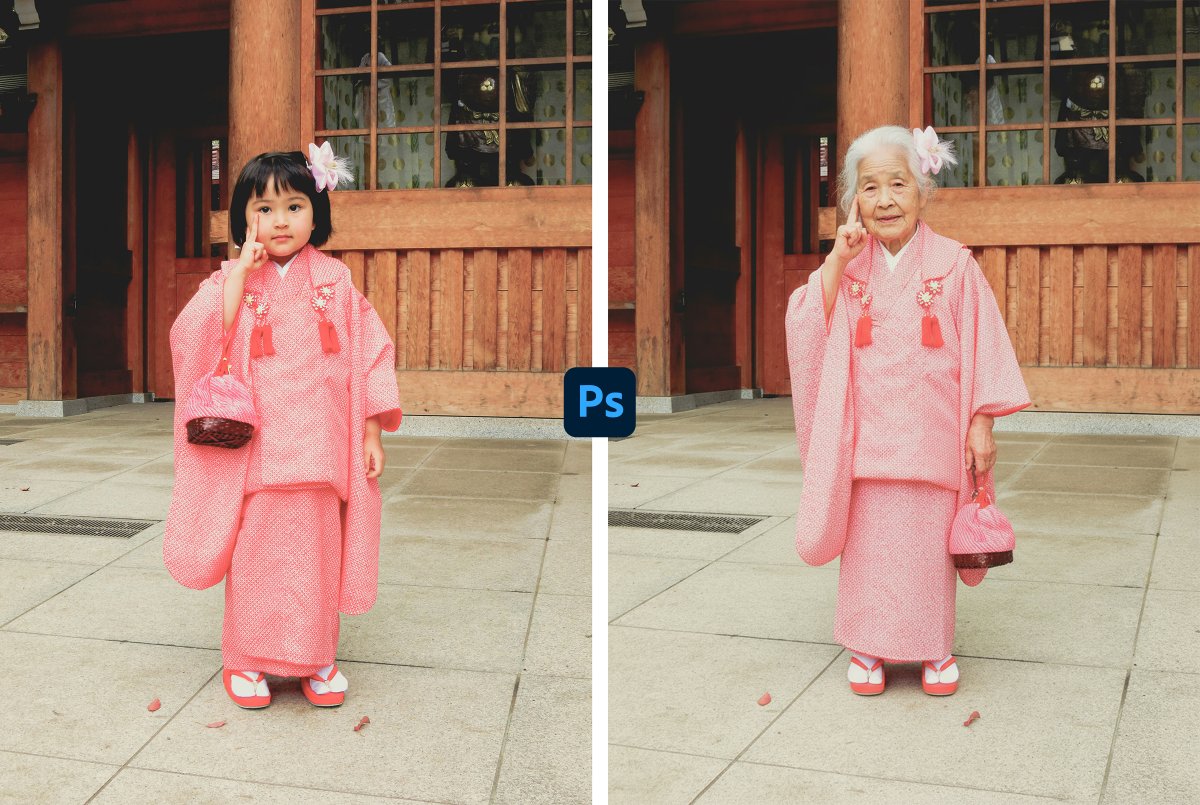
Now, with physics-aware AI rendering, the generator checks the geometry of the scene. It calculates where the light comes from, how it interacts with surfaces, and where shadows fall. This is not just an aesthetic improvement. It saves real time and money in production workflows. Creative software has always been about reducing friction between the idea and the final image. Adding physics simulation to the generative process removes one more layer of manual correction.
The phrase nanobanana-pro.studio comes up often in conversations about this new approach. It represents a shift from pure image matching to guided generation. The AI still uses a powerful neural network to interpret your text prompt. But it also consults a separate physics model that constrains the output. The result is a generation that respects the laws of nature without sacrificing creativity.
Resolution and Detail in Modern AI Workflows
One of the most common complaints about early AI image generators was resolution. The images looked good on screen but fell apart when you zoomed in or tried to print them. 4K resolution changed that expectation. Today, professional imaging demands crisp detail at large sizes. Image upscaling has improved dramatically, but it works best when the original generation already has high fidelity.
Nano Banana Pro addresses this by combining a strong text-to-image engine with advanced upscaling techniques. The system generates at a higher base resolution than earlier models, then refines the details using a secondary pass that does not blur or distort the original structure. This is important for anyone working in digital photography or design automation. A 4K image that looks sharp at full size and holds up to cropping gives you flexibility in layout and composition.
Multilingual AI support also matters more than most people realize. A tool that understands prompts in multiple languages opens up collaboration across teams. I have worked on projects with photographers in Tokyo and designers in Berlin, and the ability to describe a visual idea in different languages without losing meaning is a real advantage. The underlying machine learning model processes the semantic intent, not just the literal words. So a prompt in Spanish for a warm sunset over a beach generates the same core scene as the same prompt in Japanese, with culturally appropriate visual cues preserved.
Practical Applications in Visual Content Creation
Let me give you a concrete example from a recent project. A client needed a series of images for a luxury skincare line. The brief required consistent lighting across all products, with the same warm studio feel. Using a physics-aware AI image generator, I set up a virtual studio with a single key light and a soft fill. I described each product in natural language, and the system generated the images with the same lighting profile. The shadows matched. The reflections on the glass bottles were consistent. I did not need to reshoot or composite anything.
This kind of consistency is hard to achieve with traditional photography without renting a studio for days. It is also difficult with earlier AI tools that treated each prompt as an independent event. The physics simulation ensures that the virtual light behaves the same way every time. For professionals who need a coherent visual identity across dozens or hundreds of images, this is a game changer in the practical sense of the word, even if I avoid that phrase in my writing.
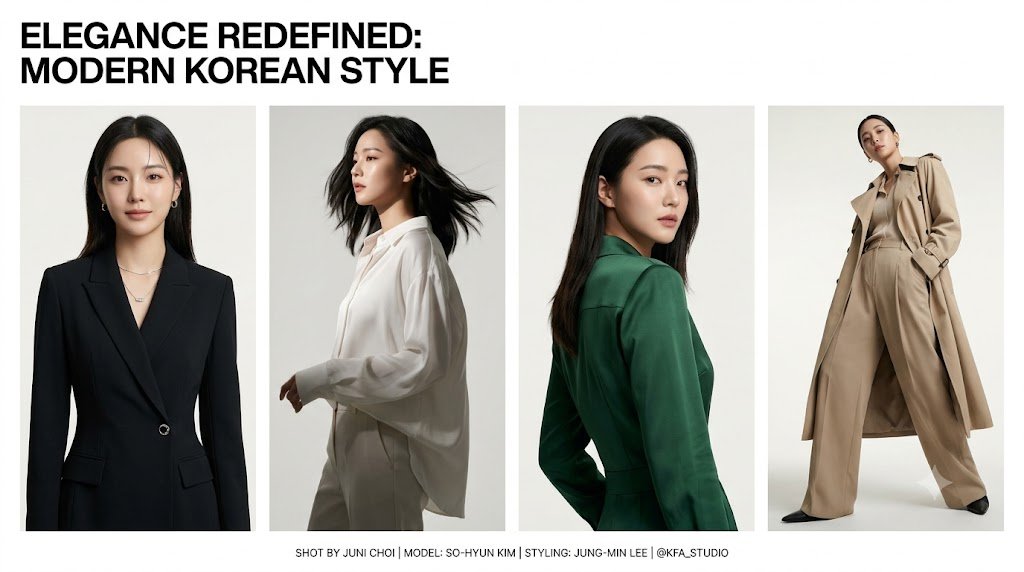
Generative art is another area where physics-aware generation shines. Artists who work with abstract or surreal imagery might think they have no use for physics simulation. But even surreal art benefits from internal consistency. A floating rock in a dreamscape looks more convincing if the lighting on that rock matches the sky behind it. The contrast between the impossible subject and the believable environment creates the tension that makes the image work. Physics simulation does not limit creativity. It gives the artist a stable ground to build on.
Vector Graphics and the Future of AI Studio Tools
Vector graphics have traditionally been separate from AI generation workflows. You create a raster image with an AI, then trace it in a vector program if you need scalable artwork. That process is getting smoother, but there is still a gap. Some newer AI studio tools are starting to integrate vector output directly, or at least generate images that are easier to convert without losing quality. This matters for logo design, icon creation, and any application where the image needs to scale from a business card to a billboard.
I have been watching the development of nanobanana-pro.studio with interest because it represents a convergence of several trends. It is an AI studio that treats the generation process as a collaborative tool rather than a black box. The user provides the creative direction, and the system handles the technical consistency. The physics simulation ensures the image is physically plausible. The neural network ensures it is visually rich. The upscaling ensures it is usable at professional resolutions.
For anyone working in visual content creation, this kind of tool reduces the gap between concept and final asset. It does not replace the photographer or the designer. It removes the repetitive technical work so you can focus on the creative decisions. That is the real promise of design automation done right. Not replacing people, but giving them better instruments.
Trade-offs and Practical Considerations
No tool is perfect, and physics-aware generation has its own set of trade-offs. The simulation step adds processing time. A prompt that takes two seconds with a basic text-to-image model might take eight or ten seconds with physics checking. For rapid prototyping that delay matters. But for final production work, the extra time is usually worth it. The key is knowing when to use which mode.
Another consideration is the complexity of the physics model itself. Simple scenes with one light source and solid objects are handled well. Complex scenes with transparent materials, multiple light sources, and reflective surfaces still challenge the system. The neural network can guess at the behavior of glass or water, but it is not always perfect. I have found that adding more descriptive language about materials helps. Instead of saying a glass of water, I might say a clear glass cylinder filled with transparent liquid on a matte surface. The extra detail gives the physics simulation more to work with.
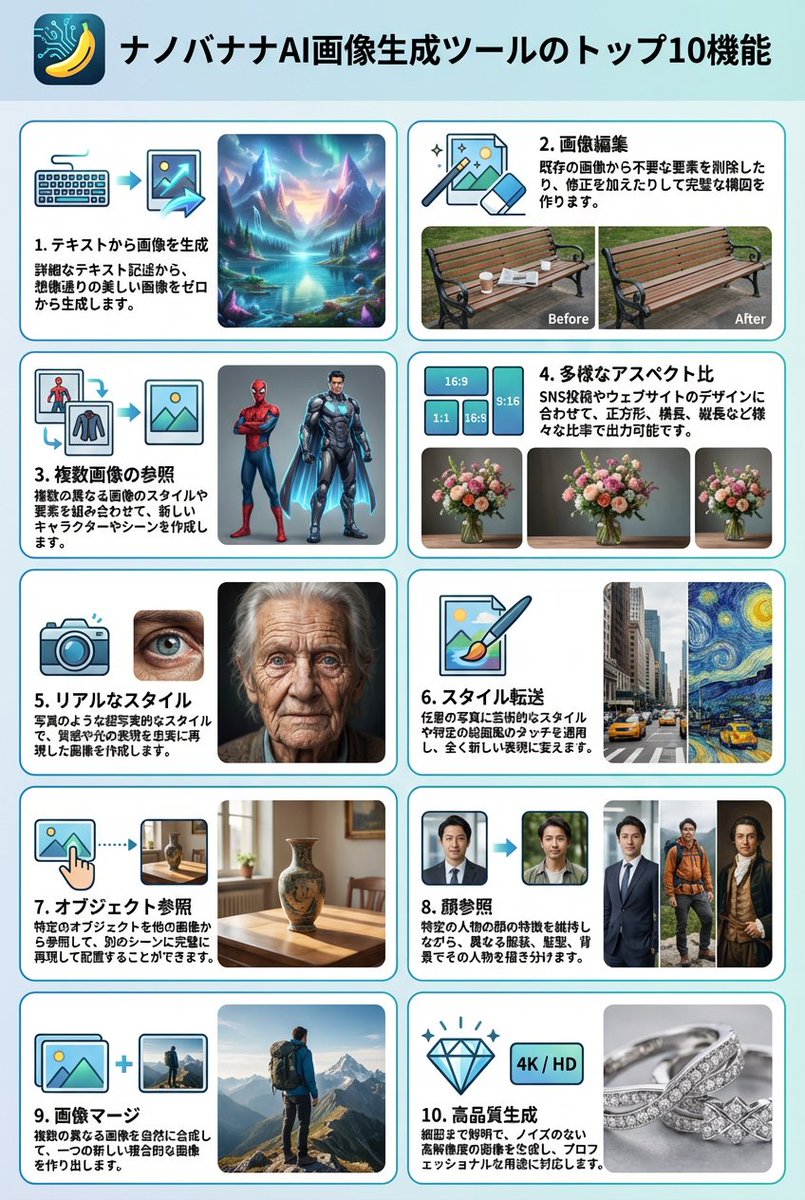
The multilingual AI capability also has limits. While the system can handle many languages, the quality of the physics simulation depends partly on how well the model understands the spatial concepts in each language. English and Japanese prompts tend to produce the most physically consistent results in my tests, likely because those languages are well represented in the training data. Other languages work, but you may need to experiment with phrasing to get the best results.
Despite these limitations, the direction is clear. Physics-aware AI image generation is becoming a standard feature in professional imaging tools. The combination of text-to-image generation with physical consistency checks produces results that are not just beautiful but usable in real projects. For anyone who has spent hours fixing shadows or reflections in post, this is a welcome change.
I expect we will see more integration between these tools and existing creative software in the coming years. The line between AI generation and traditional image editing will blur. But for now, platforms like nanobanana-pro.studio offer a glimpse of where the technology is heading. They give us a tool that understands not just what an image looks like, but how it should behave in the real world. That is a meaningful step forward for professional imaging and visual content creation.